April is the peak of the long rains in Amboseli — the wettest month in the park’s calendar, with average rainfall around 106mm and temperatures ranging from around 18 to 28 degrees Celsius. That single fact shapes everything about what an April safari delivers and who it suits.
This is not the month for travellers who want a clean, easy first-time safari with guaranteed mountain views and sharp dry-season visibility. It is, however, a compelling month for a specific type of traveller — and understanding the difference between what April offers and what it does not is the most useful thing this guide can give you.
What the Weather Is Like
April in Amboseli is wetter, cloudier, and more visually saturated than the dry-season months. Rain falls frequently — often in afternoon or evening showers, though mornings can also be wet. The ground is soft and green. The swamp systems are expanded and fuller than at any other time of year.
Cloud cover is heavier in April than in any other month. Morning skies that reveal Kilimanjaro clearly happen, but they are the exception rather than the expectation. Thunderstorm activity builds through the month. Some approach roads and game drive tracks can become soft or difficult after heavy rain.
Temperatures remain warm enough that April does not feel cold, but the quality of light is different from dry season — softer, often diffused through cloud.
Wildlife in April
The wildlife picture in April is more nuanced than “good” or “bad.” Wildlife does not leave the park. What changes is how easy it is to find and observe.
What still works:
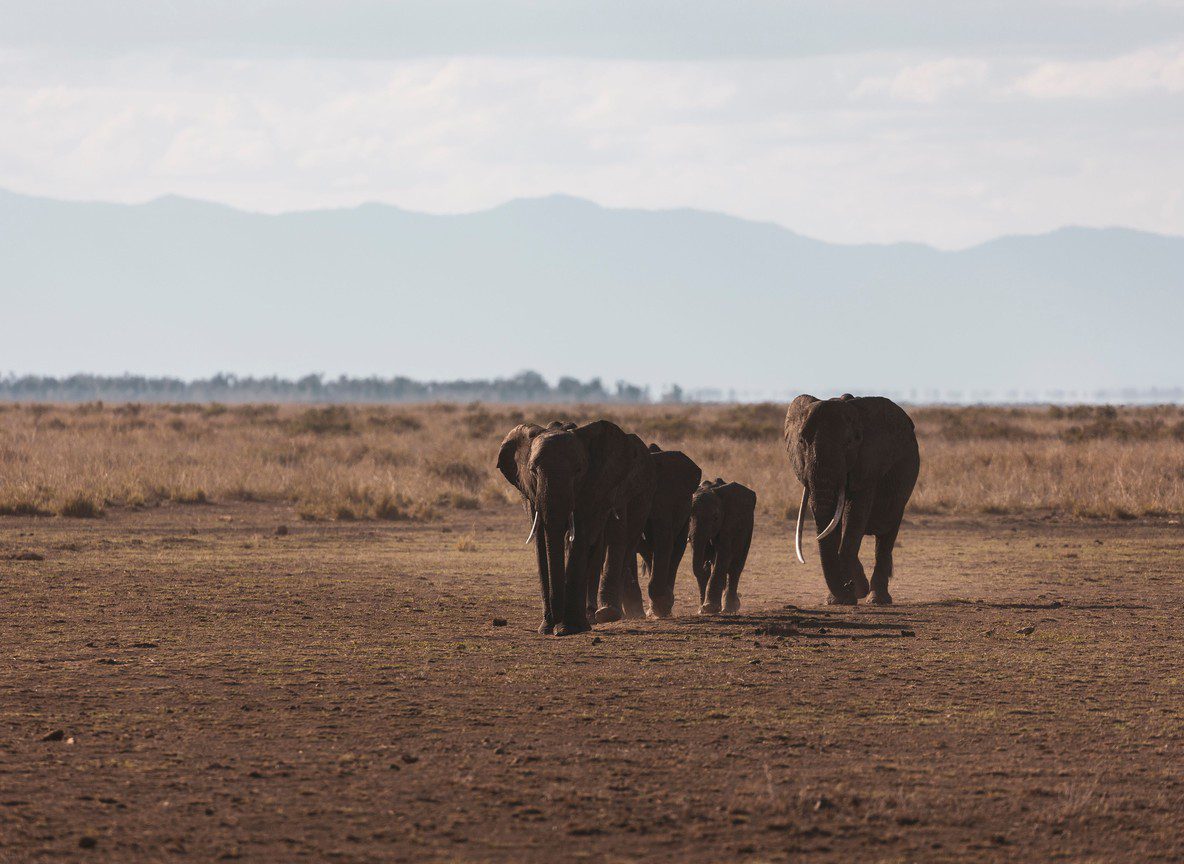
- Elephants remain reliably associated with the swamp systems. The permanent water means herd movement stays concentrated in the core zones even when dry-season pressure is absent.
- Birding becomes significantly more interesting. The rains increase the species count at the wetlands, and Palearctic migrants that arrived in November are still present through April.
- The park has a genuinely rich feel — the ecosystem is alive with colour, sound, and activity in a way that dry-season Amboseli is not.
What becomes harder:
- Visibility for searching predators across open ground is reduced by longer grass and denser vegetation
- Game drives can feel slower and less efficient when roads are soft
- The clean visual contrast of elephants against dry grass with a blue-sky mountain backdrop — the Amboseli “postcard” — is less reliably achievable
- Some peripheral areas of the park may be temporarily inaccessible if tracks flood
Kilimanjaro Views in April
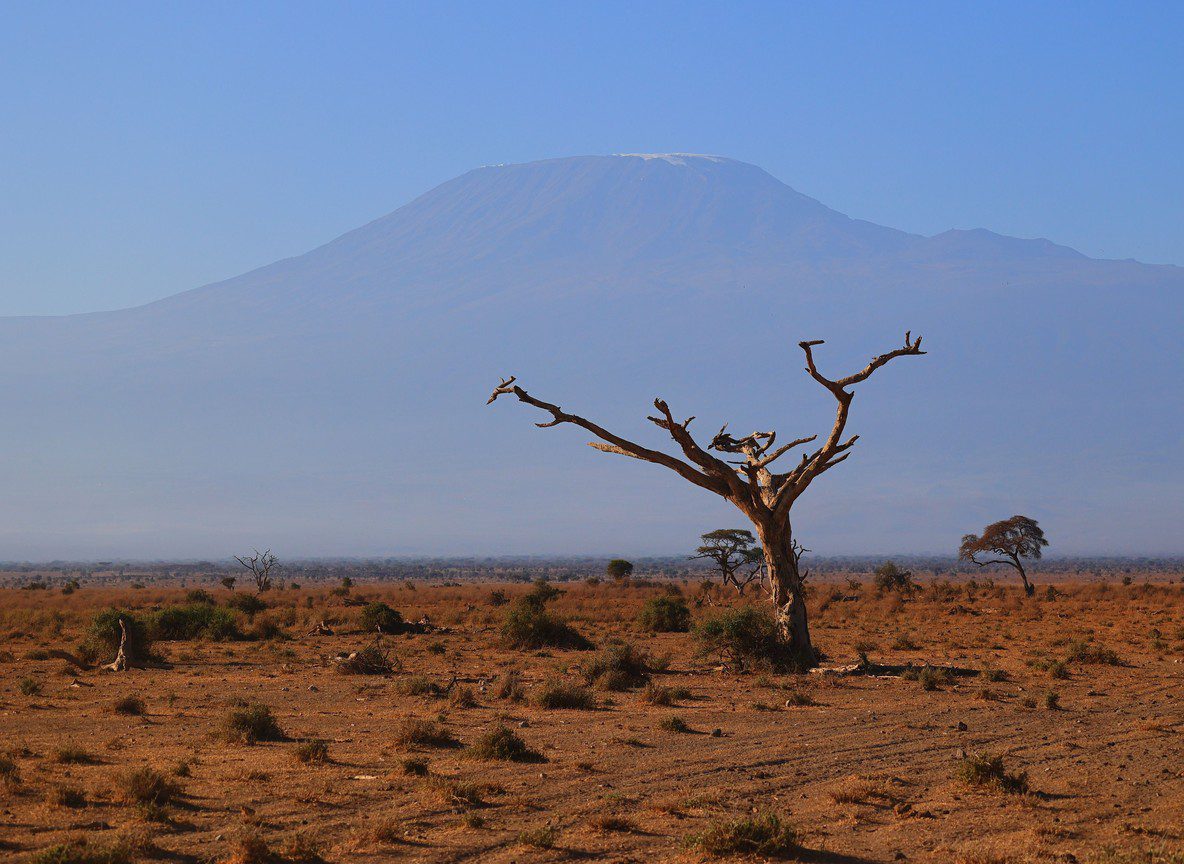
April is the weakest month in the Amboseli calendar for reliable Kilimanjaro views. Heavy cloud, morning moisture, and the general atmospheric conditions of the long rains all work against mountain visibility. Clear reveals happen but cannot be planned around.
If Kilimanjaro is the primary objective of your Amboseli visit, April is the highest-risk month on the calendar. The mountain will be obscured on most mornings.
Birding in April
April is one of the strongest birding months in Amboseli. The expanded wetlands, the green vegetation, and the presence of remaining Palearctic migrants combine to produce a richer and more species-diverse environment than the dry-season months. Waders, herons, egrets, storks, and wetland-dependent species are at their most abundant around the swamp margins.
For travellers with a significant birding interest, April can be genuinely excellent. The trade-off is accepting the conditions that produce this richness.
Value and Camp Availability
April sits in the lowest-demand period of the Amboseli safari calendar. Camp occupancy is at its lowest, rates are typically at their annual minimum, and the park has a solitude quality that no other month produces. For travellers who are price-sensitive and who genuinely want or accept the conditions, April can represent the best value-per-night of any month.
The important caveat: value is only real if the conditions match your needs. A lower rate for a month that does not deliver what you came for is not value.
Who April Suits
Good fit for:
- Repeat safari travellers who have done Amboseli in the dry season and want to experience a completely different character
- Photographers who want green landscape drama, storm light, and atmospheric images that stand apart from dry-season safari photography
- Bird-focused travellers
- Travellers who specifically want solitude and the feeling of having the park largely to themselves
- Budget travellers who understand and accept what the month gives
Poor fit for:
- First-time safari visitors
- Travellers for whom Kilimanjaro views are a primary goal
- Short trips (one to two nights) where every game drive needs to produce efficiently — April asks for patience that short stays do not have room for
- Families with young children who may struggle with slow drives and variable conditions
April vs May: Which Is Better
April is the heavier, more dramatic wet-season month. May often keeps much of the green visual appeal but with slightly improving conditions as the rains begin to ease toward the long-rains end. For most travellers considering this window, May is the more forgiving choice. April is the right choice only when the specific character of peak wet-season Amboseli — the intensity, the drama, the saturation — is what you actively want.
Practical Notes for April
- Confirm road conditions with your lodge or operator before travel — some tracks can become inaccessible after heavy rain
- Budget for flexible timing if flying, as afternoon thunderstorms can delay small aircraft
- Pack a light waterproof layer, quick-drying clothing, and good footwear for potentially wet ground
- Expect afternoon and evening rain rather than all-day rain — mornings are typically the most usable window for game drives
April at a Glance
| Factor | April Conditions |
|---|---|
| Rainfall | Highest of the year (~106mm) |
| Wildlife visibility | Moderate — elephants reliable, predators harder |
| Kilimanjaro views | Weak — cloudy most mornings |
| Birding | Excellent |
| Road conditions | Variable — tracks can be slow or impassable |
| Crowd levels | Very low |
| Value | High if conditions accepted |
| Best for | Repeat visitors, birders, photographers, budget travellers |
For context on other months, see the Amboseli animals month-by-month guide and the dry season vs green season in Amboseli guide on Touring Insights.
Every trip described here can be tailored: dates, budget, camps, and pace built around you.
Get a Personalised Safari